

The foundation of growth in cafes, restaurants, and bars lies in a deep understanding of your target market. Knowing who your customers are, what they value, and their dining habits allows you to tailor your offerings effectively. For instance, a trendy urban café may attract young professionals seeking high-quality coffee and Instagram-worthy décor, whereas a family-friendly restaurant might focus on comfort meals and kid-friendly spaces. Conduct surveys, leverage social media insights, and analyse competitors to uncover trends that resonate with your audience.
Identifying your niche is critical. Rather than trying to appeal to everyone, focus on a segment that you can dominate. Specialisation—whether it’s craft cocktails, vegan cuisine, or artisanal coffee—can differentiate your brand and encourage loyal repeat visits.
Optimising Menu and Product Offerings
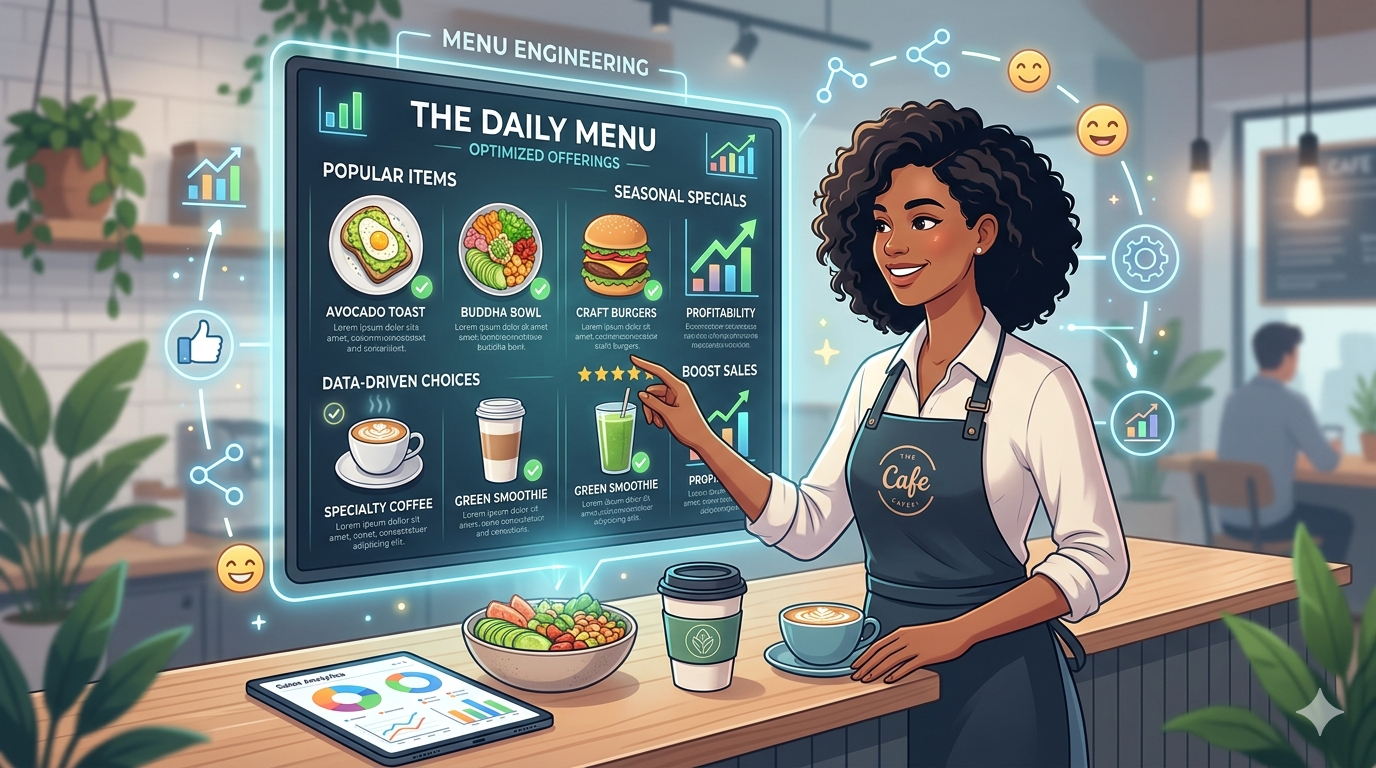
A well-designed menu can directly influence growth. Start by analysing high-margin items and customer favourites to refine your selection. Consider seasonal menus or limited-time offers to keep the experience fresh and drive repeat traffic. Highlighting signature dishes or drinks can also create a strong brand identity.
Incorporating local and sustainable ingredients not only appeals to ethically minded customers but can also support partnerships with local suppliers. This strengthens community ties and can be leveraged in marketing campaigns. Additionally, clear menu pricing and upselling techniques—like suggesting wine pairings or add-on sides—can significantly boost revenue per customer.
Leveraging Technology and Digital Presence
Digital tools are no longer optional—they are essential for growth. Online ordering, delivery apps, and contactless payment solutions enhance convenience, while reservation platforms help manage customer flow and reduce wait times. A responsive website with an easy-to-navigate menu, opening hours, and location details can convert online browsers into actual diners.
Social media plays a key role in attracting and retaining customers. Sharing behind-the-scenes content, promotions, and user-generated photos can build community engagement. Paid advertising on platforms like Facebook, Instagram, and TikTok, targeted to your local area, can also increase visibility. Investing in data analytics allows you to monitor which campaigns are performing best and adjust strategies in real time.
Creating Memorable Customer Experiences
Growth is driven not just by food and drinks but by the overall experience. Friendly, attentive staff and a welcoming atmosphere encourage repeat visits and word-of-mouth referrals. Small touches, such as personalised greetings, loyalty programs, and themed nights, can transform casual visits into memorable experiences.
Ambience plays a subtle but powerful role. Lighting, music, seating arrangements, and décor should align with your brand’s personality. For bars, this might mean a cosy, intimate setting; for cafés, a bright, Instagram-friendly space; for restaurants, a comfortable but stylish environment. Customer feedback—through reviews or direct comments—provides invaluable insight into areas for improvement and innovation.
Effective Marketing and Community Engagement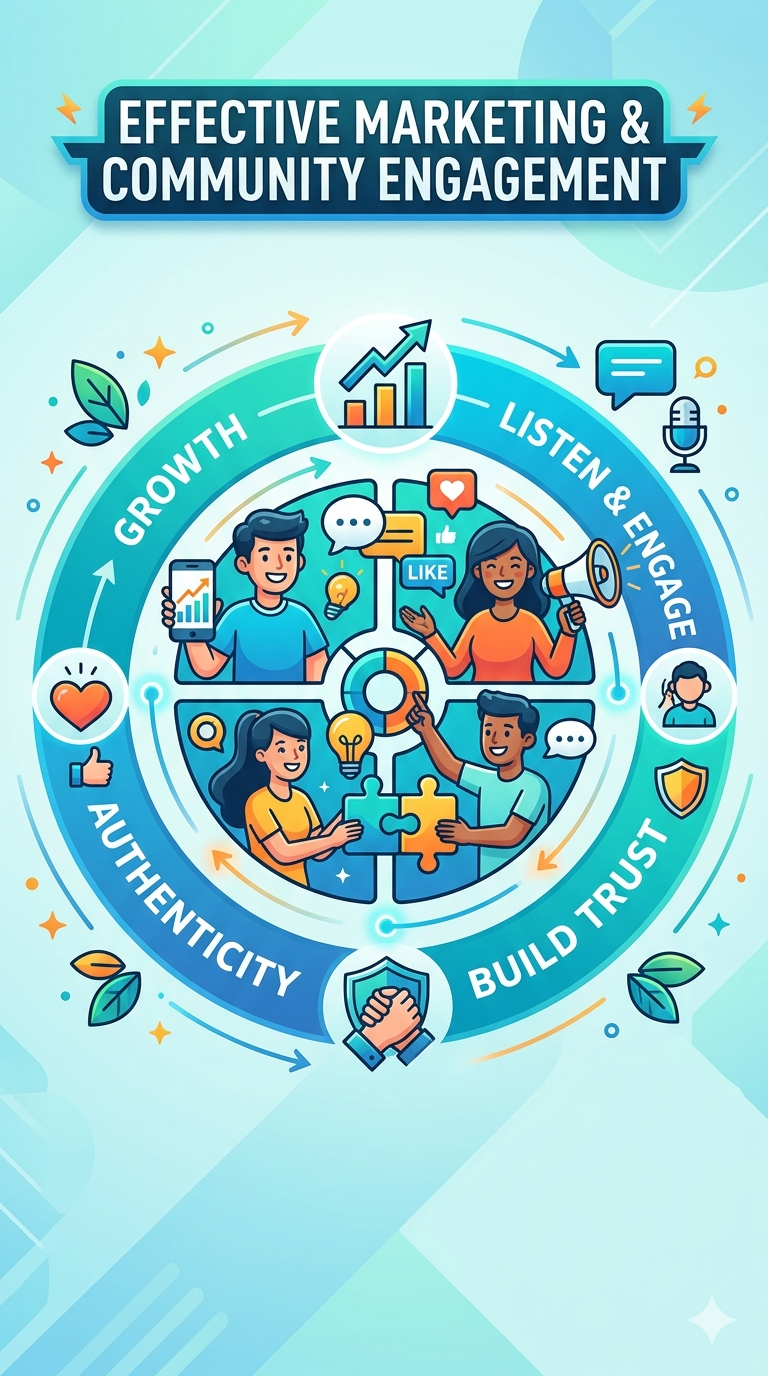
Local marketing remains highly effective. Hosting events, collaborating with nearby businesses, or sponsoring community initiatives can enhance visibility and attract new customers. Email newsletters or SMS campaigns can keep your regulars informed about specials, events, and seasonal promotions.
Influencer partnerships, particularly with local food bloggers or social media personalities, can generate buzz quickly. Encourage satisfied customers to leave reviews on Google, TripAdvisor, or Yelp, as online reputation increasingly influences dining decisions.
Staff Development and Operational Efficiency
Behind every successful cafe, restaurant, or bar is a competent, motivated team. Investing in staff training improves service quality, increases efficiency, and reduces turnover. Empower your team to deliver exceptional customer experiences and to upsell where appropriate.
Operational efficiency directly affects profitability. Streamlining supply chains, reducing waste, and optimising inventory management ensures resources are used wisely. Implementing standard operating procedures for kitchen, bar, and front-of-house operations keeps the business running smoothly even during peak periods.
Expanding Revenue Streams
Diversifying revenue streams is key to achieving unstoppable growth. Beyond traditional dine-in services, consider catering, delivery, branded merchandise, or subscription-based offerings like coffee clubs. Hosting private events or offering seasonal workshops—such as cocktail-making classes or wine tastings—can generate additional income and attract new customer segments.
Exploring partnerships with local producers or artisanal brands can create collaborative products that enhance brand recognition. Loyalty programs or subscription models can turn one-off customers into long-term patrons while providing predictable revenue.
Monitoring Metrics and Continuous Improvement
Growth isn’t accidental; it’s measurable. Track metrics such as customer retention, average spend per visit, table turnover, and online engagement to identify areas of opportunity. Regularly reviewing financial performance helps make data-driven decisions, from menu adjustments to marketing spend.
Continuous improvement should be a mindset. Test new concepts, gather feedback, and adapt quickly. Businesses that evolve in response to market trends and customer preferences remain competitive and positioned for long-term success.
By combining market insight, operational excellence, and innovative marketing, cafes, restaurants, and bars can achieve growth that is both rapid and sustainable. Implementing these strategies positions your business to attract loyal customers, maximise revenue, and stand out in an increasingly competitive industry.